Support our educational content for free when you purchase through links on our site. Learn more
🧹 Cleaning Checklist: 15 Ways to Tame the Mess

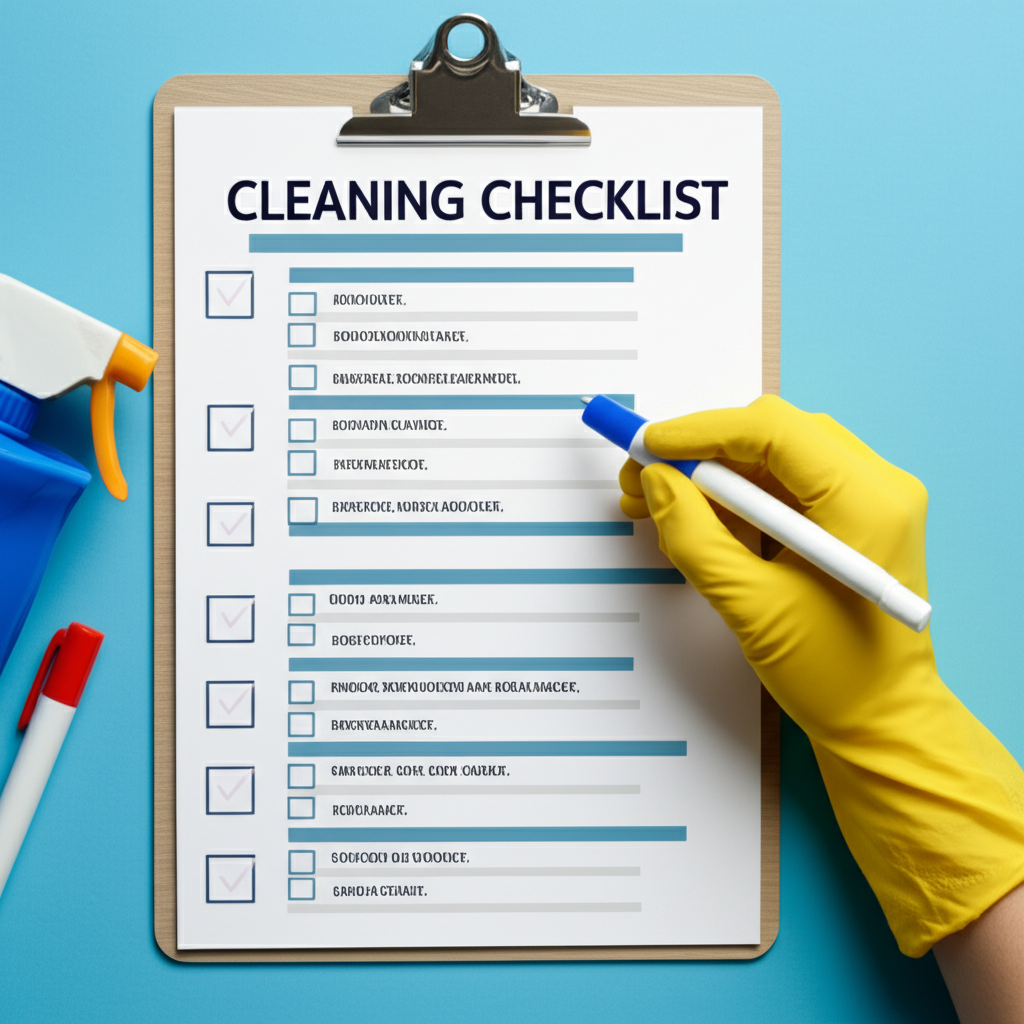
The best Cleaning Checklist is a flexible plan that tells you what to clean, how often, and where to start. Focus on high-use areas first, split chores into daily, weekly, and monthly tasks, and adjust the routine to fit your home—not an imaginary house where nobody cooks or sheds.
We’ve seen a familiar pattern: someone starts with a low-traffic guest room because it looks manageable, while the kitchen keeps collecting crumbs, dishes, and fingerprints. Flip the order—tackle the spaces you use most, then work from high surfaces down to the floors—and your effort shows sooner.
Key Takeaways
- Keep the checklist realistic: daily resets, weekly chores, and occasional deep-cleaning tasks belong in separate groups.
- Prioritize high-use spaces: kitchens, bathrooms, and entryways often deliver the biggest visible payoff.
- Clean in a helpful order: declutter first, dust high to low, and leave floors for last.
- Follow product labels and surface-care instructions: never mix cleaning chemicals, especially bleach with ammonia or acids.
- Customize and revise your routine: household size, pets, schedules, and flooring all affect what needs attention.
Table of Contents
- ⚡ Quick Tips and Facts for a Cleaner Home
- 🧹 What Is a Cleaning Checklist?
- 🏠 How Cleaning Checklists Make Home Care Easier
- 📅 Build a Cleaning Schedule That Works for You
- Daily Cleaning Checklist
- Weekly Cleaning Checklist
- Monthly Cleaning Checklist
- Seasonal and Annual Cleaning Tasks
- 🛋️ Room-by-Room House Cleaning Checklist
- Kitchen Cleaning Checklist
- Bathroom Cleaning Checklist
- Bedroom Cleaning Checklist
- Living Room and Family Room Cleaning Checklist
- Entryway, Hallway, and Stairs Cleaning Checklist
- Laundry Room Cleaning Checklist
- Home Office Cleaning Checklist
- 🧽 Deep Cleaning Checklist: Tasks to Tackle Less Often
- 🪟 Whole-Home Cleaning Tasks You Might Forget
- 🧴 Cleaning Supplies and Tools Checklist
- Everyday Cleaning Products and Equipment
- Natural Cleaning Options and Product Safety
- 🧼 How to Clean Efficiently: A Step-by-Step Routine
- 👨 👩 👧 👦 Cleaning Checklists for Families, Roomates, and Busy Homes
- 🐾 Pet-Friendly Cleaning Checklist
- 🏡 Move-In and Move-Out Cleaning Checklists
- 🦠 Cleaning and Disinfecting: What’s the Difference?
- ♻️ Eco-Friendly Cleaning Habits and Waste Reduction
- 📝 Printable Cleaning Checklist and Customization Tips
- ❌ Common Cleaning Checklist Mistakes to Avoid
- 🎯 Conclusion
- 🔗 Recommended Links
- ❓ FAQ
- 📚 Reference Links
⚡ Quick Tips and Facts for a Cleaner Home
The best cleaning checklist isn’t the one with the most boxes. It’s the one you’ll actually use on a Tuesday when the kitchen looks like dinner hosted a tiny tornado. At Cleaning Checklist™, we help people organize a cleaning routine around real life: the people in the home, the messes they make, and the time they have.
For a quick way to prioritize the work, start with our guide to what the 80/20 rule means in house cleaning: focus first on the small set of tasks that make the biggest visible difference. You’ll find more practical ideas in our Cleaning Tips and Deep Cleaning Guides.
| Quick fact | What it means for your routine |
|---|---|
| Clean from high to low | Dust shelves and counters before vacuuming or mopping, so falling debris doesn’t undo your floor work. |
| Clean before you disinfect | Soil and grime can interfere with disinfecting. Follow the product label for surface compatibility, application, and contact time. |
| Work in a sensible order | Declutter first, then clean surfaces, then floors. Keep your supplies together to avoid extra trips. |
| Match frequency to use | A busy kitchen may need daily attention; a guest room may not. Your household’s actual use matters more than a rigid calendar. |
| Use products as directed | Never mix cleaning products, especially bleach with ammonia or acids. Read labels and ventilate the area. |
| A short routine counts | Ten focused minutes spent on dishes, counters, and clutter can keep a mess from becoming a weekend project. |
The U.S. Environmental Protection Agency explains the difference between cleaning, sanitizing, and disinfecting, while the CDC recommends following product directions when disinfecting surfaces. Those distinctions matter: everyday cleaning removes dirt; disinfecting is for reducing germs when the situation calls for it.
Our quick-start checklist:
- Put stray belongings back where they belong.
- Load or wash dishes and wipe kitchen counters.
- Tidy the bathroom sink and check the toilet.
- Gather laundry and start a load if needed.
- Dust visible surfaces from top to bottom.
- Vacuum or sweep the busiest floors.
- Empty full trash and recycling bins.
A little music helps. A timer helps even more. Shea Homes likewise recommends a visible daily, weekly, and monthly plan, along with simple motivation such as music or a small reward. We agree, with one practical adjustment: make the checklist short enough to finish even when your energy is not auditioning for a cleaning commercial.
🧹 What Is a Cleaning Checklist?
A cleaning checklist is a written or digital list of cleaning and tidying tasks, arranged by room, frequency, or priority. It turns “the house needs attention” into clear actions: wipe the bathroom mirror, change the bedsheets, or clean the refrigerator shelves.
A useful checklist might be:
- Daily: dishes, kitchen counters, quick clutter reset.
- Weekly: bathroom cleaning, vacuuming, changing sheets.
- Monthly: appliance interiors, vents, and less frequently used surfaces.
- Seasonally or annually: larger maintenance and deep-cleaning jobs.
These are starting points, not household laws. A family with three kids and a dog will have different needs from a person living alone in a small apartment. Use the checklist to serve your home, not to grade yourself.
Checklist, schedule, or routine: what’s the difference?
| Tool | What it does | Example |
|---|---|---|
| Checklist | Shows tasks that need doing | “Clean shower; wipe vanity; replace towels” |
| Schedule | Assigns tasks to a time or day | “Bathroom reset on Saturday morning” |
| Routine | Turns repeated actions into habits | “Wipe kitchen counters after dinner” |
The three work best together. A checklist without a schedule can become a list you keep postponing; a schedule without a checklist can leave you wondering what “clean the bathroom” actually means.
Paper or digital?
Paper checklists are easy to post on a fridge, pantry door, or cleaning caddy. They’re visible and simple to share, but may need reprinting or laminating.
Digital checklists work well if you prefer phone reminders, shared household apps, or recurring tasks. They can be updated quickly, though they’re less helpful if everyone forgets to open the app.
The right format is the one people in your home will notice and use. Shea Homes suggests posting a printed checklist somewhere visible, such as a refrigerator door. That’s a strong option for a shared home; a phone-based list may fit better if everyone already coordinates tasks digitally.
🏠 How Cleaning Checklists Make Home Care Easier
When chores live only in your head, the kitchen, bathroom, laundry, and dusting all compete for attention at once. A checklist externalizes the plan: you can see what’s done, what can wait, and what needs another pair of hands.
Benefits include:
- Less decision fatigue: You don’t have to invent a cleaning plan every time.
- More predictable upkeep: Small, repeated tasks can help prevent buildup.
- Fairer chore sharing: Specific jobs are easier to divide than a vague “help clean.”
- Fewer forgotten tasks: A recurring list can remind you about filters, bedding, and appliance care.
- More realistic time planning: When you track task duration, you can plan around actual experience rather than optimism.
There’s a useful distinction here: a checklist can support consistency, but it won’t magically create more time or energy. If your list is too long, it becomes another source of guilt. Trim it until the essentials fit your available time.
Prioritize by impact, hygiene, and effort
We recommend sorting tasks into three practical groups:
- Health and hygiene: food-contact surfaces, bathrooms, spills, and high-touch areas.
- Daily comfort: dishes, clutter, laundry, and visible crumbs.
- Occasional upkeep: baseboards, inside cabinets, and decorative details.
This isn’t a claim that every home needs the same cleaning frequency. The EPA and CDC provide sound guidance for cleaning and disinfecting, but the best household schedule depends on use, visible soil, pets, allergies, and the manufacturer’s instructions for your surfaces.
The “visible win” approach
When motivation is low, pick a small area that quickly looks better: the kitchen sink, the entryway, or a coffee table covered in yesterday’s mail. A visible win can make the next task feel less daunting.
Our team once helped a client who kept starting with the least-used rooms because they looked easy. The untouched kitchen remained the daily pain point, so the whole home still felt messy. We switched the order: kitchen first, high-use spaces next, low-traffic rooms last. The routine felt more rewarding almost immediately.
The question to keep in mind: what task would make your home feel noticeably calmer today? We’ll use that answer when building the schedule below.
📅 Build a Cleaning Schedule That Works for You
A workable cleaning schedule balances frequency, household activity, and time available. Instead of copying a stranger’s calendar exactly, begin with the areas that get dirty fastest and adjust after a couple of weeks.
Daily Cleaning Checklist
Daily tasks are quick resets, not deep cleans. Pick the few actions that keep your home functional.
- Make beds or straighten bedding.
- Wash dishes or load the dishwasher.
- Wipe kitchen counters and the dining table.
- Spot-clean splashes and spills.
- Put away items left in shared spaces.
- Give the bathroom sink a quick wipe if needed.
- Sweep obvious crumbs in high-traffic areas.
- Gather laundry and put dirty clothes in a hamper.
Flexible rule: If a task isn’t causing a problem when skipped for a day, it may not belong on your daily list.
Weekly Cleaning Checklist
Weekly tasks cover areas that benefit from regular attention. Divide them across the week, or group them into one cleaning session.
- Clean bathroom fixtures, mirrors, toilet, and shower or tub.
- Change bed linens.
- Dust commonly used surfaces.
- Vacuum carpets and rugs; sweep or mop hard floors as appropriate.
- Wipe appliance exteriors and frequently touched handles.
- Empty bins and clean the bin area if dirty.
- Refresh kitchen towels and bathroom hand towels.
- Check the refrigerator for spoiled food and wipe fresh spills.
- Clean fingerprints from doors and light switches as needed.
We prefer spreading chores across the week when weekends are already full. For example, bathroom on Wednesday, floors on Friday, and sheets on Saturday. If you love a single focused cleaning session, group your jobs and use a timer.
Monthly Cleaning Checklist
Monthly jobs are easy to forget because they don’t announce themselves with a pile of dishes. Add the ones that match your home and appliance manuals.
- Wipe baseboards and door frames in high-traffic rooms.
- Clean the inside of the microwave and wipe appliance interiors as needed.
- Vacuum upholstered furniture and under removable cushions.
- Dust vents and reachable light fixtures.
- Clean window tracks and interior glass where needed.
- Wash or wipe trash and recycling bins.
- Check range hood filters and clean according to manufacturer instructions.
- Vacuum refrigerator coils only if the manual permits and the unit can be safely accessed.
- Clean washing-machine dispensers and dryer lint areas according to the manual.
- Inspect under sinks for leaks and signs of moisture.
For appliances, the owner’s manual takes priority over a generic checklist. A monthly frequency is a planning prompt, not a universal requirement.
Seasonal and Annual Cleaning Tasks
Seasonal cleaning is a chance to tackle jobs that benefit from less frequent attention. Choose tasks based on climate, household needs, and equipment instructions.
- Wash curtains or clean blinds according to their care labels.
- Rotate or vacuum mattresses if the manufacturer recommends it.
- Clean behind movable furniture, taking care not to strain yourself or damage flooring.
- Inspect window and door seals.
- Wash washable comforters and blankets according to their labels.
- Clear leaves and debris from accessible outdoor areas.
- Check smoke and carbon monoxide alarms and follow the manufacturer’s testing and replacement guidance.
- Arrange professional service for systems that require specialized maintenance.
Safety note: Don’t climb on unstable furniture to reach ceiling fixtures. Use an appropriate ladder, have another adult nearby when needed, or hire a professional for difficult or hazardous access.
A sample weekly cleaning rhythm
| Day | Focus | Example jobs |
|---|---|---|
| Monday | Kitchen reset | Wipe appliance fronts, clean sink, check fridge |
| Tuesday | Bedrooms | Change sheets, dust nightstands, tidy floors |
| Wednesday | Bathrooms | Clean toilet, sink, mirror, shower or tub |
| Thursday | Living areas | Dust surfaces, vacuum upholstery |
| Friday | Floors and entry | Vacuum, sweep, spot-mop, clear shoes |
| Weekend | Flexible catch-up | One deep-clean task or a rest day |
Use this as a menu, not a mandate. Shea Homes recommends daily, weekly, and monthly task groupings; that structure is useful because different jobs demand different amounts of effort. We’d add that the best cadence is the one your household can sustain.
🛋️ Room-by-Room House Cleaning Checklist
Room-by-room lists are helpful when you want a thorough reset or need to hand off a specific zone. Follow the same general order: declutter, dust high surfaces, clean fixtures and counters, then finish with floors.
Kitchen Cleaning Checklist
The kitchen combines food, grease, fingerprints, and frequent traffic. Keep food-contact surfaces clean and use products suitable for each material.
Daily or as needed
- Clear dishes and wipe countertops.
- Clean food spills promptly.
- Wipe the dining table and frequently touched handles.
- Sweep visible crumbs.
- Rinse and wipe the sink.
Weekly
- Clean the cooktop and appliance exteriors.
- Wipe cabinet fronts where greasy or marked.
- Clean the microwave interior.
- Mop or wash the floor according to its care instructions.
- Check food dates and wipe refrigerator spills.
- Replace dish towels and clean reusable sponges or cloths safely.
Occasionally
- Clean refrigerator shelves and drawers.
- Clean the oven according to the manufacturer’s instructions.
- Wash the range hood filter if the manual permits.
- Wipe the inside of drawers and cabinets as needed.
Expert tip: Don’t spray cleaner directly onto electronic controls or delicate finishes unless the product and appliance instructions allow it. Apply cleaner to a cloth instead.
Bathroom Cleaning Checklist
Bathrooms need regular attention because of moisture, soap residue, and frequent contact. Use good ventilation, read product labels, and never combine cleaning chemicals.
- Remove items from the sink and tub edges.
- Clean the mirror with a suitable glass cleaner or a clean microfiber cloth.
- Scrub the sink, faucet, and counter with a surface-compatible product.
- Clean the toilet bowl and exterior with appropriate tools.
- Wash the tub or shower and rinse away residue.
- Replace towels and bath mats when needed.
- Empty the bin and spot-clean the floor.
- Check for slow drains, persistent dampness, or visible mold growth.
The CDC’s guidance on cleaning and disinfecting is a useful reference for deciding when routine cleaning is sufficient and when disinfection may be appropriate.
Bedroom Cleaning Checklist
- Put clothing away or place it in a hamper.
- Change sheets and pillowcases on a schedule that suits your household.
- Dust nightstands, dressers, lamps, and reachable surfaces.
- Vacuum or sweep under the bed if accessible.
- Clean mirrors and fingerprints.
- Empty wastebaskets.
- Rotate or launder bedding only as its care label and manufacturer instructions allow.
If allergies are a concern, the American Academy of Allergy, Asthma & Immunology offers information about indoor allergens and practical ways to reduce exposure.
Living Room and Family Room Cleaning Checklist
- Return books, games, remotes, and toys to their homes.
- Dust shelves, tables, lamps, and electronics carefully.
- Vacuum upholstery using an appropriate attachment.
- Check cushion gaps for crumbs and small objects.
- Clean screen surfaces only with methods approved by the manufacturer.
- Vacuum rugs and floors; spot-clean spills promptly.
- Straighten throws and cushions.
Electronics caution: Never spray liquid directly on a television or monitor. Check the manufacturer’s cleaning directions and use a soft, suitable cloth.
Entryway, Hallway, and Stairs Cleaning Checklist
- Put shoes, bags, coats, and keys in designated spots.
- Shake out or vacuum entry mats.
- Wipe fingerprints from doors and railings.
- Dust reachable ledges and light fixtures.
- Sweep or vacuum stair treads carefully.
- Clear walkways of trip hazards.
A clear entryway is not just tidier; it makes daily coming and going easier. Keep frequently used items close to the door, but don’t let the area become a storage pile in disguise.
Laundry Room Cleaning Checklist
- Wipe washer and dryer exteriors.
- Clean dispensers and accessible filters as directed by the manuals.
- Remove lint from the dryer lint screen after each load.
- Sweep or vacuum lint and dust from the floor.
- Check hoses and connections for visible leaks or damage.
- Store detergents safely, following product labels and keeping them away from children and pets.
The U.S. Fire Administration advises cleaning dryer lint filters before or after each load and keeping the dryer area free of lint. See its clothes dryer fire safety guidance.
Home Office Cleaning Checklist
- Clear papers and return supplies to storage.
- Dust desk surfaces and shelves.
- Wipe keyboard, mouse, and phone using manufacturer-approved methods.
- Clean the monitor gently, following its instructions.
- Empty waste and recycling.
- Vacuum around the desk and under the chair.
- Review any paper pile before recycling or shredding; don’t discard sensitive documents carelessly.
🧽 Deep Cleaning Checklist: Tasks to Tackle Less Often
Deep cleaning addresses buildup and overlooked surfaces beyond routine upkeep. It’s not necessary to deep-clean the entire house every weekend. Pick a few tasks, rotate zones, and follow care instructions.
Kitchen deep-clean tasks
- Remove food from the refrigerator and clean shelves with a suitable solution.
- Clean oven racks and the oven interior according to the manual.
- Wash the range hood filter if approved by the manufacturer.
- Wipe cabinet interiors and drawer organizers.
- Clean behind movable appliances only when it’s safe and practical.
- Wash reusable cleaning cloths and replace worn tools.
Bathroom deep-clean tasks
- Scrub grout and corners using products compatible with the surface.
- Clean shower doors and tracks.
- Wash bath mats and shower curtains according to their labels.
- Dust exhaust fan covers; don’t dismantle electrical equipment unless the manual says it’s safe.
- Inspect caulk and grout for wear or moisture problems.
Whole-home deep-clean tasks
- Vacuum upholstery and mattress surfaces using suitable attachments.
- Dust reachable vents, ceiling fans, and light fixtures.
- Clean window glass and tracks.
- Wipe baseboards, doors, and trim.
- Move light furniture to clean underneath, avoiding heavy lifting.
- Wash curtains or blinds according to manufacturer guidance.
Shea Homes makes a helpful point: organizing before deep cleaning can reveal areas that need extra attention. We’ve seen the same thing. Clearing a crowded countertop often uncovers sticky patches, crumbs, or a mystery ring that had been hidden under the mail. Tidy first, then clean what’s actually there.
For more room-by-room projects, browse our Deep Cleaning Guides.
🪟 Whole-Home Cleaning Tasks You Might Forget
The obvious jobs get done. The quiet ones disappear from memory until a vent is furry or a door handle looks like it has been greeting the entire neighborhood.
Add these to a rotating checklist where relevant:
- Dust door tops, picture frames, and reachable trim.
- Wipe light switches and commonly touched handles.
- Clean under removable cushions.
- Wash reusable mop heads and cleaning cloths.
- Clean vacuum filters and brush rolls according to the manual.
- Check for cobwebs in reachable corners.
- Empty and wipe bins when visibly dirty.
- Clean window tracks and door thresholds.
- Inspect under sinks for leaks or dampness.
- Check cleaning supplies for empty, damaged, or expired products.
- Review the calendar for seasonal maintenance and service reminders.
Don’t turn a checklist into a home inspection
A cleaning list helps you spot ordinary dirt and routine maintenance needs. It is not a substitute for a qualified professional when you see signs of an electrical problem, persistent water intrusion, suspected hazardous material, or extensive mold.
If you’re unsure whether a substance or surface is safe to clean yourself, pause and seek guidance from a qualified expert. The safest cleaning decision is sometimes not to scrub.
🧴 Cleaning Supplies and Tools Checklist
You don’t need a closet full of specialty sprays. A compact, well-maintained kit is usually easier to carry and organize.
Everyday Cleaning Products and Equipment
| Supply or tool | Common use | Helpful note |
|---|---|---|
| Microfiber cloths | Dusting and wiping many surfaces | Use clean cloths; wash according to care instructions |
| All-purpose cleaner | Everyday compatible hard surfaces | Check the label and test delicate surfaces first |
| Dish soap | Dishwashing and some small cleaning jobs | Don’t assume it is suitable for every surface |
| Glass cleaner | Windows and mirrors | Keep it away from surfaces the label excludes |
| Toilet brush | Toilet bowl cleaning | Store so it can dry safely between uses |
| Scrub brush | Grout, tubs, and stubborn soil | Choose bristles that won’t scratch the surface |
| Mop and bucket or spray mop | Hard-floor cleaning | Use the floor maker’s recommended method |
| Vacuum | Carpets, rugs, and compatible upholstery | Maintain filters and brush rolls as directed |
| Broom and dustpan | Crumbs and hard-floor debris | Handy for quick daily resets |
| Gloves | Hand protection | Choose a type suited to the product and task |
| Labeled caddy | Carrying supplies | Keep products upright and away from children and pets |
Features and trade-offs
- Microfiber cloths: Reusable and versatile; they still need proper laundering and separation between tasks.
- Spray mops: Convenient for small areas; confirm the cleaner is suitable for your flooring.
- Vacums: Useful for carpets and dust collection; filters and attachments need regular care.
- All-purpose cleaners: Reduce clutter in the caddy; no single cleaner is appropriate for every material.
Natural Cleaning Options and Product Safety
A simple approach can be safer and less complicated than mixing homemade formulas. If you use vinegar, baking soda, or other household ingredients, check that they are suitable for the surface and never combine them with incompatible products.
Never mix bleach with ammonia, acids such as vinegar, or other cleaners. The CDC provides guidance on using bleach safely and warns against mixing household bleach with other cleaners; see its cleaning and disinfecting information. Follow the product label, ventilate the area, and store chemicals in their original containers.
Real brands can help you identify product instructions and intended uses, but a familiar name is not a substitute for label-reading. For example, Dawn makes dishwashing products, Clorox publishes product-use guidance, and Rubermaid offers household cleaning tools. Choose based on the surface and task—not the promise of a spotless countertop by sheer force of branding.
🧼 How to Clean Efficiently: A Step-by-Step Routine
Here’s the repeatable method our team uses when a home needs a practical reset. It’s designed to reduce backtracking, not to make cleaning feel like a military exercise.
Step 1: Choose a realistic target
Pick one room, one zone, or a short list of essentials. “Clean the whole house” is not a task; it’s a dramatic announcement.
Step 2: Gather supplies
Bring a caddy or basket with the tools you’ll need. Check product labels before use and keep incompatible chemicals separate.
Step 3: Declutter before cleaning
Put items away, collect laundry, and clear surfaces. Shea Homes also recommends organizing before deep cleaning because it helps expose the areas that need attention.
Step 4: Work from high to low
Dust shelves, lamps, and upper surfaces before lower ones. Save floors for last.
Step 5: Clean from dry to wet
Remove loose dust and crumbs before using wet cleaners. This helps prevent turning dry debris into streaky grime.
Step 6: Follow the product label
Use the correct product for the material, observe directions and contact time when disinfecting, and provide ventilation as instructed. Don’t mix products.
Step 7: Finish with floors
Vacuum or sweep, then mop if appropriate for the floor type. Avoid excess water on surfaces that can be damaged by moisture.
Step 8: Reset tools and check off the list
Rinse or wash tools as directed, store chemicals safely, and mark completed tasks. A checklist only helps you plan next time if it reflects what actually happened.
A practical time-saving trick: set a timer for a short cleaning block, such as 15 minutes. When it rings, finish the task you’re on or stop safely and write down the next step. Shea Homes suggests using an alarm for a designated “cleaning hour”; we like the same idea scaled to your available time.
👨 👩 👧 👦 Cleaning Checklists for Families, Roomates, and Busy Homes
A shared checklist works best when jobs are specific, visible, and assigned fairly. “Help more” leaves room for interpretation. “Empty the kitchen bin on Tuesday and Friday” does not.
Divide by task, not by guesswork
Try one of these approaches:
- Room zones: one person handles bathrooms, another handles floors.
- Task rotation: switch jobs weekly so the same person doesn’t always get the least popular chore.
- Age-appropriate participation: children can put toys away, sort laundry, or wipe a suitable surface under adult supervision.
- Shared ownership: each person resets their own dishes, belongings, and laundry.
Make the list visible and forgiving
A paper checklist on the fridge can be easier for a whole household to see. A shared digital list can work well for people who already use phones to coordinate. Either way, leave room for missed tasks and changes in the week.
For households with children or pets, store cleaners securely and use products according to label directions. Don’t assign children jobs involving hazardous chemicals, sharp tools, or unstable ladders.
🐾 Pet-Friendly Cleaning Checklist
Pets bring companionship, fur, paw prints, and the occasional surprise. Build pet-related tasks into the regular routine rather than waiting for shedding season to make itself known.
- Vacuum pet resting areas and upholstery as needed.
- Wash pet bedding according to its care instructions.
- Clean food and water bowls regularly.
- Wipe muddy paw prints promptly with a suitable cleaner.
- Keep litter areas clean and dispose of waste safely.
- Store cleaning products out of reach.
- Check product labels for pet-related precautions and allow surfaces to dry as directed before pets return.
The ASPCA’s household hazards guidance explains why household products should be kept away from animals. If your pet may have contacted or swallowed a product, contact a veterinarian or animal poison-control service promptly.
🏡 Move-In and Move-Out Cleaning Checklists
Moving is already a cardboard-based obstacle course. A dedicated checklist helps you clean systematically and avoid forgetting the places hidden behind furniture.
Move-in cleaning
Before unpacking, where possible:
- Dust shelves, closets, and reachable fixtures.
- Clean inside empty cabinets and drawers.
- Wipe kitchen counters and appliance interiors as appropriate.
- Clean bathroom fixtures and surfaces.
- Vacuum or mop floors before furniture arrives.
- Check for visible damage, leaks, or maintenance concerns and document them.
Move-out cleaning
Before handing over the keys:
- Remove belongings and trash.
- Clean appliances according to their manuals and lease requirements.
- Wipe cabinets, counters, and sinks.
- Clean bathrooms thoroughly.
- Vacuum and mop floors as appropriate.
- Check closets, drawers, and storage areas.
- Review the lease or move-out instructions; requirements vary by property and location.
Practical perspective: a move-out clean is not automatically the same as a professional deep clean. Follow your agreement, avoid damaging surfaces, and ask the landlord or property manager about unclear requirements.
🦠 Cleaning and Disinfecting: What’s the Difference?
These terms are related, but they do not mean the same thing.
| Term | Plain-language meaning | When it may be appropriate |
|---|---|---|
| Cleaning | Removes dirt and many germs from surfaces | Regular household upkeep |
| Sanitizing | Reduces germs to a level considered safer by the relevant standard | Some food-contact or child-care contexts, following product directions |
| Disinfecting | Uses a product to kill or inactivate specified germs on surfaces | When illness, contamination, or specific guidance makes it appropriate |
The EPA’s overview of cleaning, sanitizing, and disinfecting clarifies why the terms are not interchangeable. Disinfectants need to be used exactly as labeled, including any required wet contact time. Spraying and immediately wiping may not achieve the labeled result.
For everyday cleaning, soap or detergent and water may be enough for many surfaces. If you need to disinfect, choose an appropriate registered product and follow its instructions. The CDC household cleaning guidance is a reliable starting point.
♻️ Eco-Friendly Cleaning Habits and Waste Reduction
A lower-waste routine can be simpler, too. Start with habits that avoid unnecessary products and packaging:
- Use washable cloths where suitable.
- Buy only products you’ll use and store them safely.
- Follow dilution directions rather than using extra product.
- Refill containers only when the product and packaging are designed for it.
- Choose concentrated formulas when their instructions fit your needs.
- Use cold or warm water as directed; don’t assume hotter is always better.
- Dispose of products according to the label and local guidance.
- Avoid mixing homemade and commercial cleaners.
“Natural” does not automatically mean harmless, and “stronger” does not automatically mean cleaner. Surface compatibility, label directions, ventilation, and safe storage matter more than marketing language. For federal guidance on choosing and using cleaning products, see the EPA’s Safer Choice program.
📝 Printable Cleaning Checklist and Customization Tips
A printable checklist is useful when you want a visible plan without another app notification. Start with the core tasks, then add only the jobs that apply to your home.
A simple weekly template
| Room or zone | Task | Frequency | Assigned to | Done |
|---|---|---|---|---|
| Kitchen | Wipe counters and sink | Daily or as needed | ☐ | |
| Bathroom | Clean toilet, sink, and mirror | Weekly or as needed | ☐ | |
| Bedroom | Change sheets | Weekly or household preference | ☐ | |
| Living area | Dust and vacuum | Weekly or as needed | ☐ | |
| Floors | Vacuum, sweep, or mop | Based on traffic and surface | ☐ | |
| Whole home | Empty bins and return items | As needed | ☐ |
Customize it in four steps
- List your rooms and zones. Include only spaces you actually use.
- Identify recurring messes. Pet fur, cooking grease, entryway dirt, and laundry are common examples.
- Set a realistic frequency. Adjust based on traffic, visible soil, and household preferences.
- Review after two weeks. Remove tasks that aren’t useful and add ones you keep forgetting.
Shea Homes offers a printable checklist for household use, but any template should be adapted to your home. The products at Clean That Up include both physical and digital checklist formats; the summarized product page lists options but does not provide checklist contents, specifications, or customer reviews. Check the details yourself before buying a commercial checklist, and don’t assume a product’s format means it covers every task you need.
❌ Common Cleaning Checklist Mistakes to Avoid
A checklist should reduce stress, not become a tiny clipboard-shaped tyrant.
- Making every task daily: Reserve daily lists for genuine daily needs.
- Writing vague jobs: Replace “clean kitchen” with concrete tasks.
- Scheduling every deep-clean task at once: Rotate less frequent jobs.
- Ignoring product labels: A cleaner suitable for tile may damage stone, wood, or delicate finishes.
- Using too many products: More bottles can mean more clutter and more chances of misuse.
- Mixing chemicals: Never mix bleach with ammonia, acids, or other cleaners.
- Cleaning floors too early: Dust and crumbs can fall after you’ve finished.
- Forgetting tools need cleaning: Dirty cloths and filters undermine the next session.
- Treating a missed task as failure: Move it to a realistic time or remove it if it isn’t important.
- Copying another home’s schedule exactly: Household size, pets, mobility, work patterns, and surface materials all change the workload.
The best checklist is specific enough to guide you and flexible enough to survive real life. That’s the balance that keeps the routine useful long after the first enthusiastic Sunday reset.